
This page is dedicated to sharing information about First Nations cultures, histories, and perspectives. Below, is a list of valuable resources that support reconciliation, highlight the knowledge and experiences of First Nations peoples, and express accurate historical accounts.
These resources are designed to promote collaboration, showcase best practice, and encourage meaningful engagement. Whether you're looking to deepen your understanding, enhance your learning, or develop the skills to participate in respectful and informed conversations, the below resources are a great starting point.
This list is by no means extensive, and we welcome you to share other useful and informative resources with us. If you have suggestions or feedback, please email community@gawler.sa.gov.au
We appreciate any contribution to building a more inclusive and informed community.
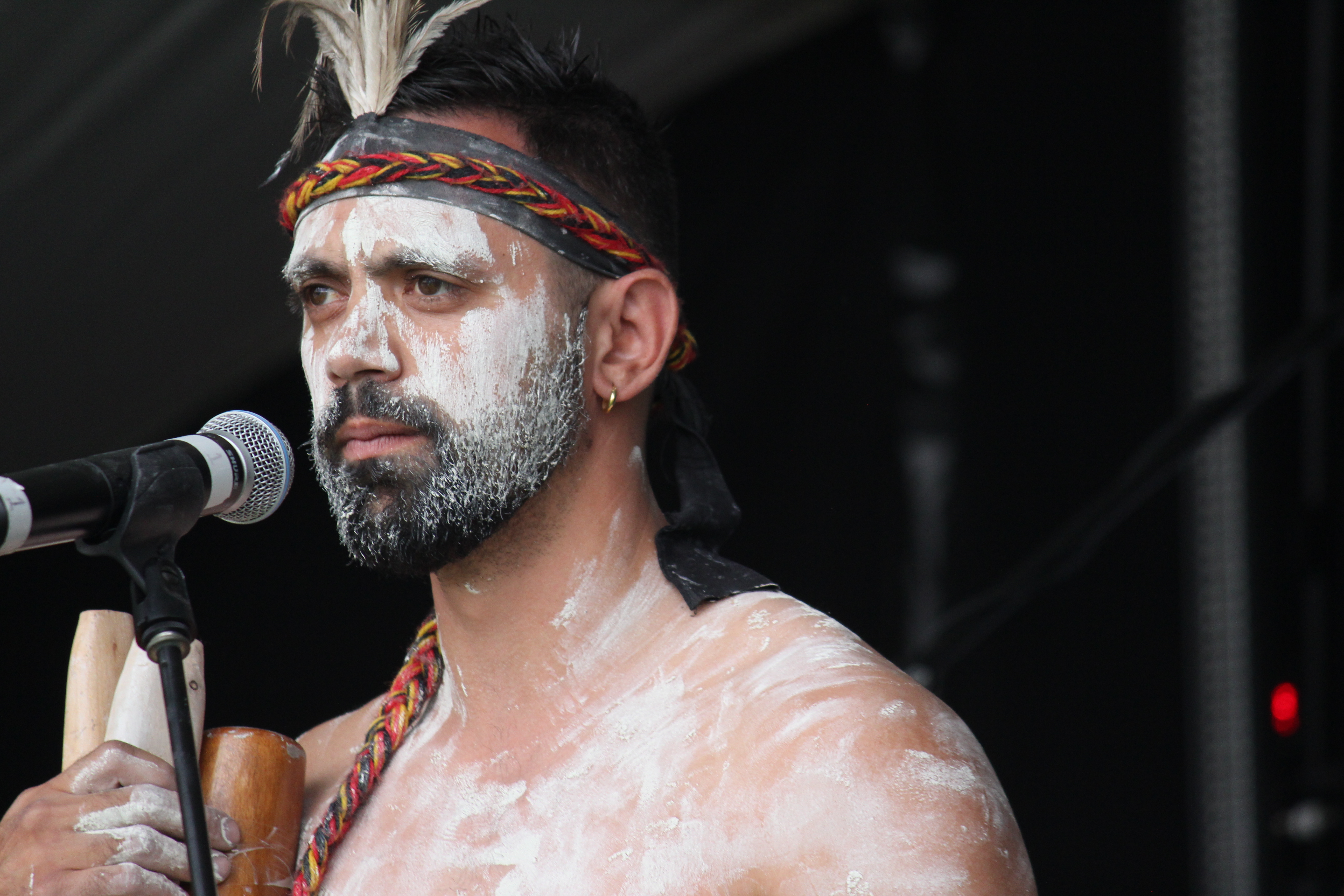
Incorporating Welcome to Country and Acknowledgement of Country into meetings, gatherings, and events shows respect by upholding Aboriginal and Torres Strait Islander cultural protocols.
Taking the time to Acknowledge Country, or including a Welcome to Country at an event, reminds us that every day we live, work, and gather on the Traditional Lands of First Nations peoples.
There are many ways to incorporate welcome and acknowledgement protocols into official meetings and events and it is useful to learn and understand the differences between them, and why they are important.
The document below provides further explanation about Welcome to Country and Acknowledgement of Country.
Many dates throughout the year are historically and culturally significant to First Nations peoples.
The document below highlights a list of culturally important dates that celebrate, commemorate and/or recognise First Nations peoples, cultures and histories.
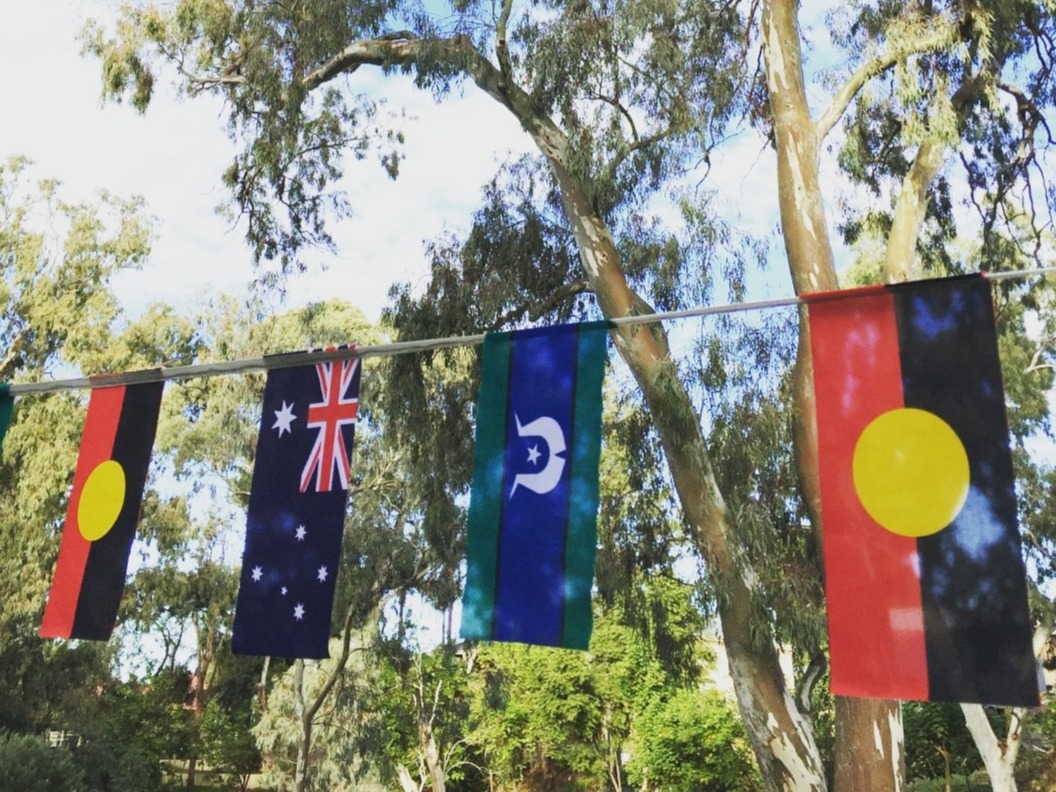
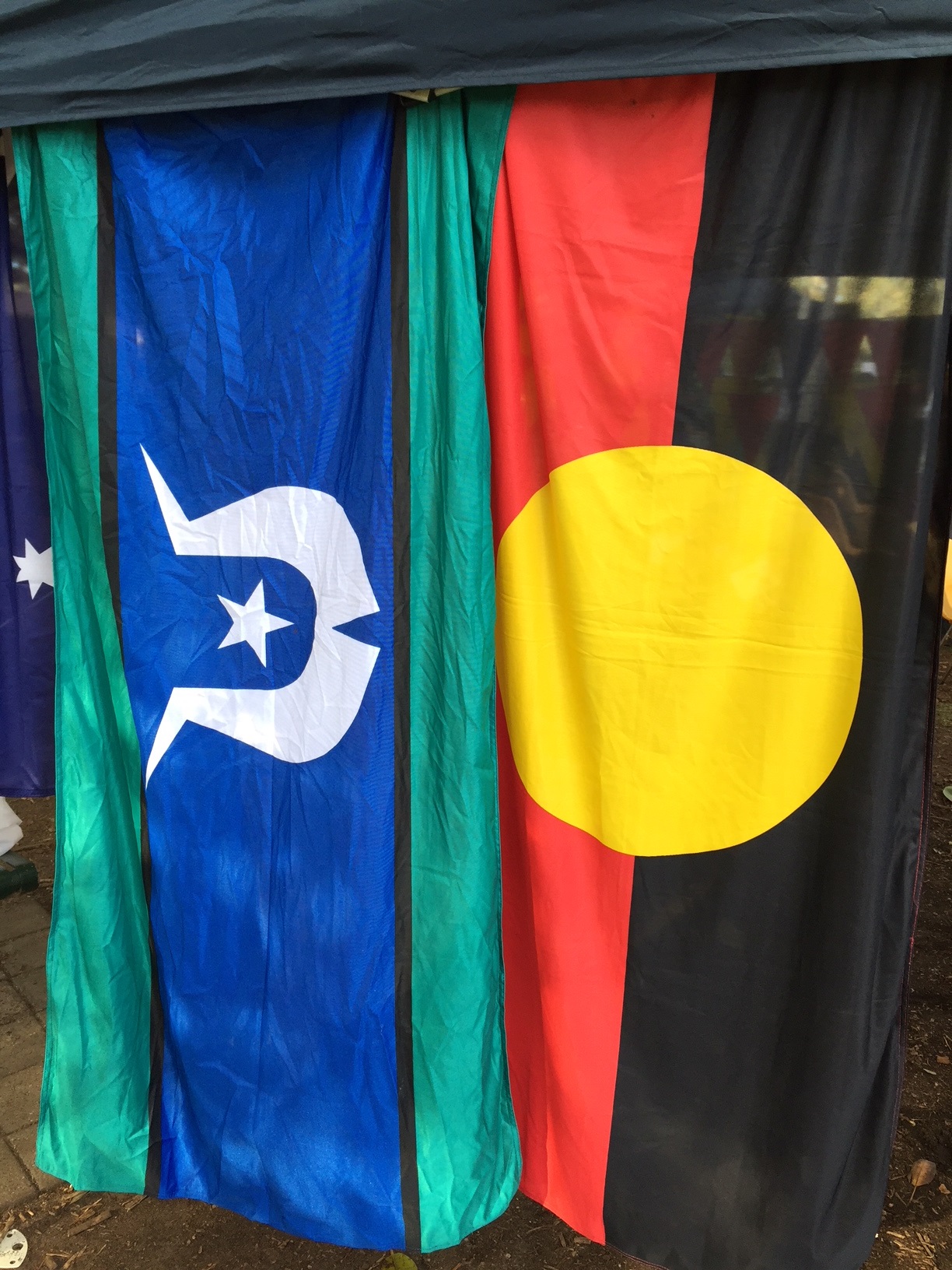
Also listed below is some information about the Aboriginal Flag and the Torres Strait Islander Flag.

Reconciliation Australia is an independent not-for profit organisation, and the lead body for reconciliation in Australia. They promote and facilitate reconciliation by building relationships, respect and trust between the wider Australian community and Aboriginal and Torres Strait Islander peoples.
Reconciliation SA is a not-for-profit community and member-based organisation providing advocacy, support and leadership to people and organisations driving the reconciliation movement across South Australia.

Jack Kanya Kudnuitya Buckskin, founder and director of Kuma Kaaru, is a proud Kaurna and Narungga man who has dedicated his life to learning and passing on his knowledge and language of the Adelaide Plains.
Founded in education, Kuma Kaaru (One Blood) brings stories and tradition to life through cultural learning and performance. Operating on Kaurna Yarta (Land), the Kuma Kaaru Team takes pride in delivering their Cultural Awareness training for organisations and schools, providing Welcome to Country and Smoking Ceremonies, and performing cultural dance. Kuma Kaaru is well-considered as a central location for all local Aboriginal cultural services.

The Kaurna Warra Teams (Kaurna Warra Karrpanthi & Kaurna Warra Pintyanthi) comprise Kaurna people, teachers, linguists and language enthusiasts passionate about the reclamation and revival of the Kaurna language. Kaurna Warra produces resources and shares information to support the learning and teaching of the Kaurna language. They also accept language requests for Kaurna names, translations or information.
The Mobile Language Team works with Aboriginal individuals, families, communities and organisations for the maintenance and preservation of Aboriginal cultural heritage and language materials. The Team covers the length and breadth of SA and the 47 Aboriginal languages within it and works to an approach based around three major pillars of practice: transparency, recognition and community.
The Ngutungka Toolkit brings together First Nations organisations, peak bodies, resources and best practice initiatives from across South Australian Councils and highlights the partnerships and collaborations occurring between Councils and First Nations communities.
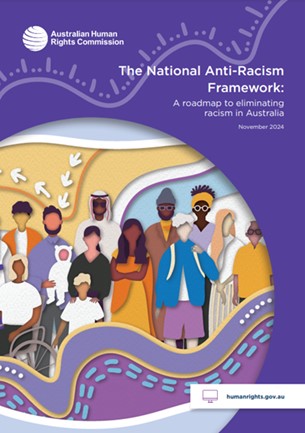
Developed by the Australian Human Rights Commission with dedicated funding from the Australian Government, the National Anti-Racism Framework provides a roadmap for governments, business and community organisations to address all forms of racism in Australia.
The Framework contains 63 recommendations for a whole of society approach to eliminating racism, with proposed reforms across Australia’s legal, justice, health, education, media and arts sectors as well as workplaces and data collection.

The SA Anti-Racism Strategy is an important resource that addresses historical and ongoing racial inequalities experienced by Aboriginal people and culturally and linguistically diverse communities.
It aims to make the public sector safer, more responsive, more inclusive, and more accountable through structural changes that address institutional and systemic racism and equip employees to fight racism. The strategy draws upon best practice examples and learnings, as well as survey data and engagement with community, experts and government.
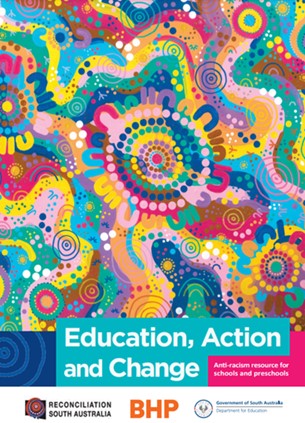
Developed by Reconciliation SA, Education, Action and Change is intended to empower educators to have tricky conversations about reconciliation and racism in Australia. It identifies the racism experienced by Aboriginal and Torres Strait Islander people and explores the complex ways in which we need to think about anti-racism and reconciliation in that context.
Although having been developed with the education sector in mind, this resource can be utilised by any organisation, group or individual to enhance learning and develop the skills to navigate conversations about racism confidently and sensitively.
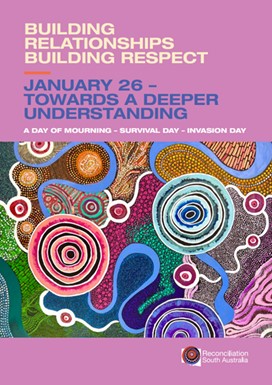
January 26 evokes a range of complex meanings, memories and emotions for different people. For many Australians, particularly for First Nations people, the day holds negative and painful connotations, representing conflict, loss, pain and trauma. Misinformation around the history and significance of January 26 can further complicate our understanding of the date and ability to engage in respectful and informed conversations.
Developed by Reconciliation SA, January 26 - Towards a Deeper Understanding, aims to foster a deeper understanding of our shared histories and promote reconciliation through education and dialogue. It encourages everyone to reflect on the significance of the date, acknowledge the experiences and perspectives of First Nations people, and learn accurate historical accounts, so we can engage in conversations with empathy, openness and respect.
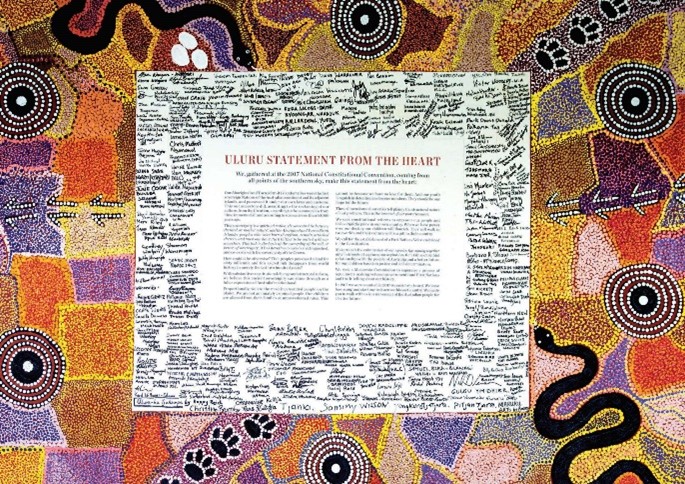
On 26 May 2017, the Uluru Statement from the Heart was presented at the First Nations National Constitutional Convention at Uluru. The Statement, developed through a series of Regional Dialogues (or meetings) involving more than 1200 Aboriginal and Torres Strait Islander people from across the country, calls for:
- A First Nations Voice enshrined in the Constitution.
- A Makarrata Commission to supervise the process of agreement-making between Government and First Nations peoples (Makarrata is a Yolngu word meaning the coming together after a struggle).
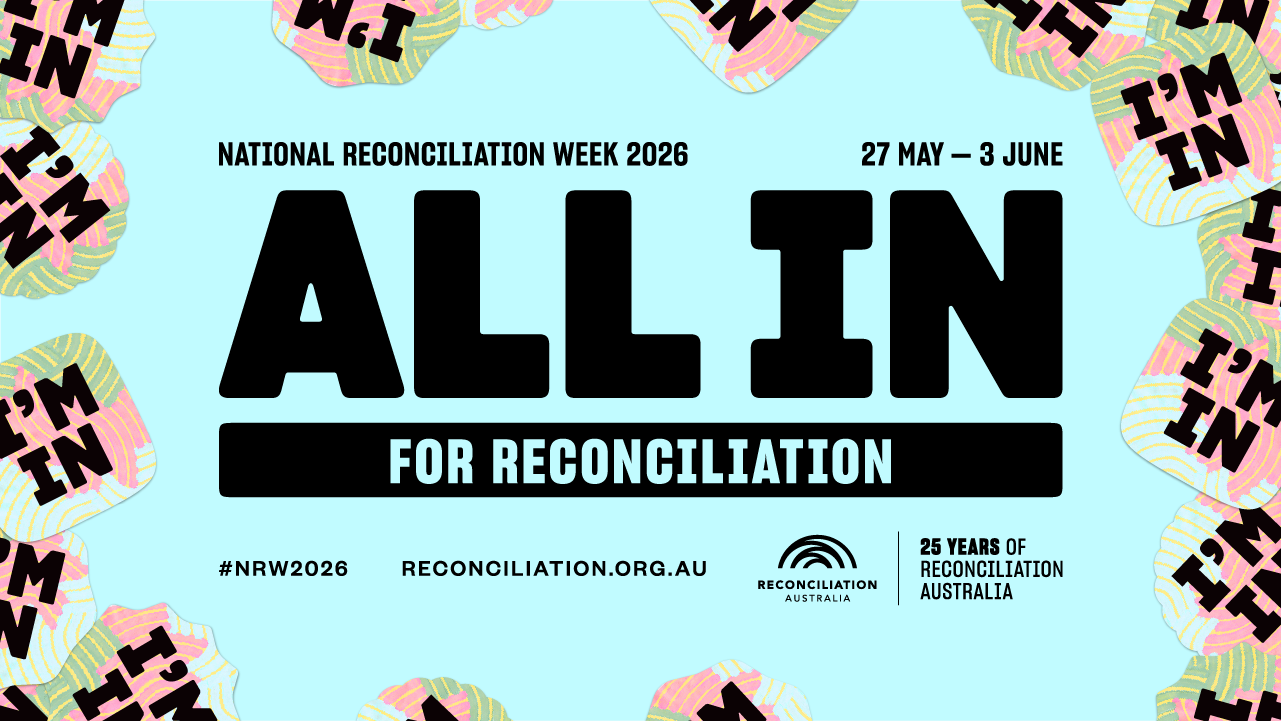
National Reconciliation Week (NRW) is held from 27 May to 3 June each year and is a time for all Australians to learn about our shared histories, cultures, and achievements, and to explore how each of us can contribute to achieving reconciliation in Australia.
The 2026 NRW theme, All In, is a call for all Australians to commit wholeheartedly to reconciliation. It is also a reminder that advancing reconciliation is not solely the responsibility of First Nations peoples but requires all of us to take action and make change every single day.
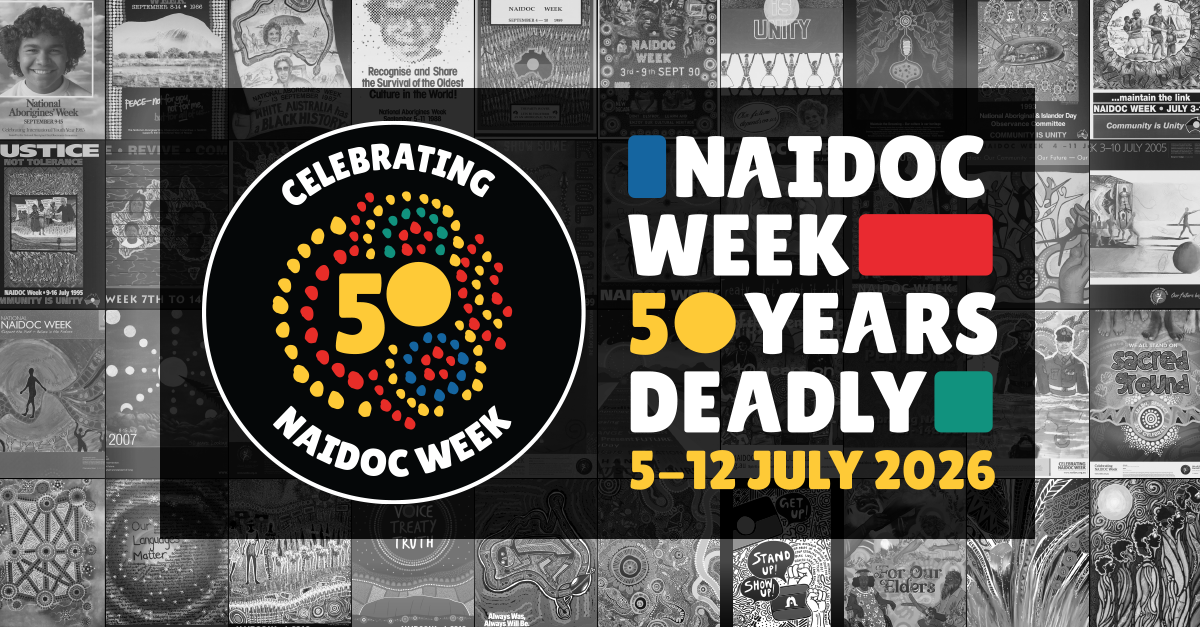
NAIDOC Week is a time to celebrate Aboriginal and Torres Strait Islander histories, cultures and achievements and an opportunity to recognise the many contributions that First Nations peoples make to all communities nationwide.
The 2026 NAIDOC Week theme, 50 Years of Deadly, marks five decades of NAIDOC — a significant milestone celebrating the pride, strength and resilience of First Nations peoples, and 50 years of honouring and amplifying First Nations voices.

Libraries SA, including the Gawler Public Libraries, has a comprehensive collection of First Nations resources across the genres of adult fiction, adult non-fiction, teen, children, music and film, as well as a growing collection of material in First Nations languages.
There are many online resources available. Some recommended by Libraries SA include:
Indigenous Collections at the State Library of South Australia
First Australians Collections on Trove
Australian Institute of Aboriginal and Torres Strait Islander Studies Collections
Closing the Gap is underpinned by the belief that when First Nations peoples have a genuine say in the design and delivery of policies, programs and services that affect them, better life outcomes are achieved. It also recognises that structural change in the way governments work with First Nations peoples is needed to close the gap.
The National Agreement on Closing the Gap sets out outcomes and priority reforms that will change the way governments work to improve life outcomes for and with First Nations peoples.
It has been developed in genuine partnership between Australian governments and Aboriginal and Torres Strait Islander peak organisations.
The National Agreement was agreed on 30 June 2020 by:
* All Australian governments
* The Coalition of Aboriginal and Torres Strait Islander Peak Organisations
* The Australian Local Government Association
The National Agreement has 19 national socio-economic targets across areas that have an impact on life outcomes for First Nations peoples.