The Kaurna people are the Traditional Custodians of Adelaide and the Adelaide Plains. For many thousands of years, Kaurna people have occupied this region, including the land that is now known as the Town of Gawler. The Kaurna word for Gawler is Kadlitiya.
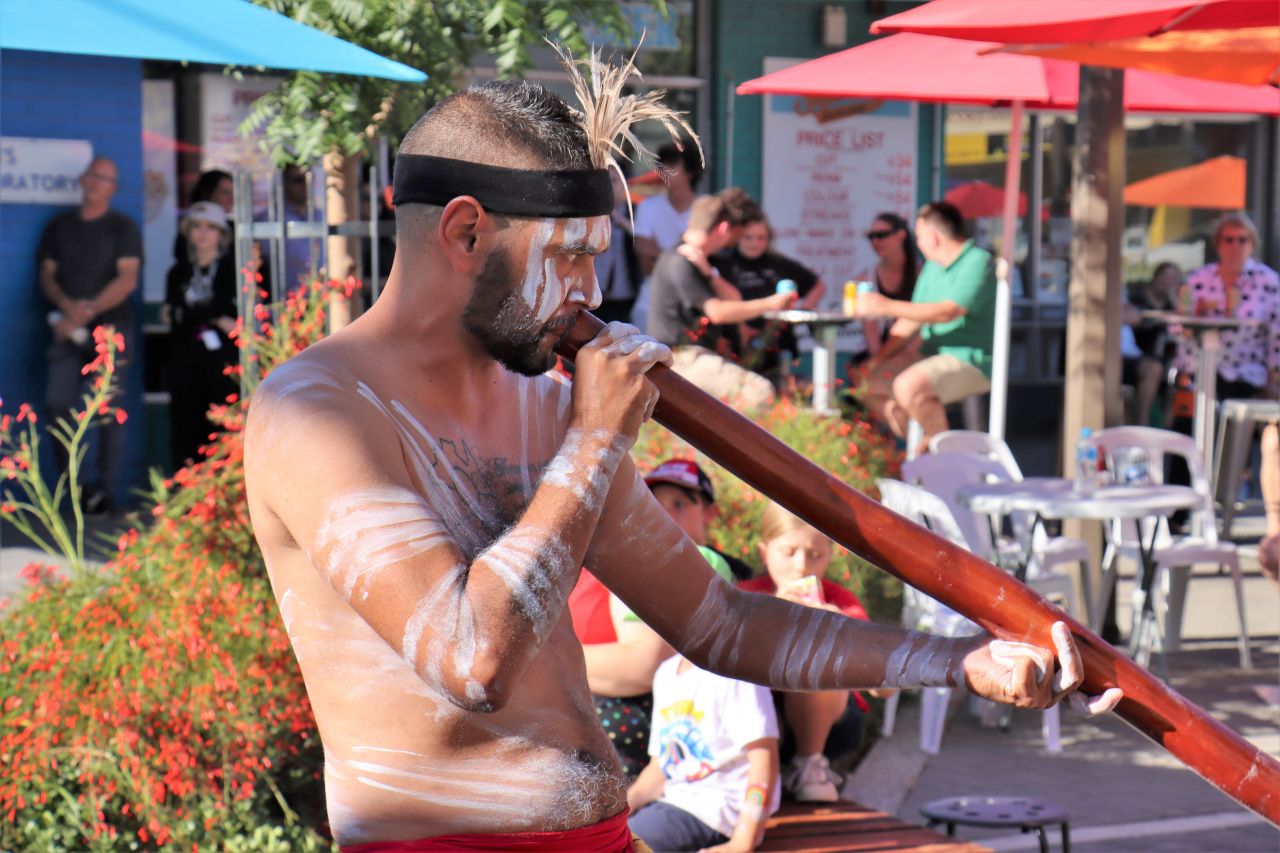
Linked by a spiritual connection to the land, Kaurna knowledge and history has been handed from generation to generation through Songlines; the stories that relate to Country and trace the journeys of ancestral spirits as they created the land, animals and lore.
The Gawler area was a place of trade and Kaurna people travelled and met together for ceremonies and dances. The Kaurna spoke a complex language that reflected their sophisticated culture and deep knowledge of the environment.
Aboriginal people also travelled through the Gawler area when following north-south trade routes and routes connecting to the River Murray. Regional boundaries exist between the Kaurna, Peramangk and Ngadjuri people near Gawler, with these boundaries often regarded as neutral territory where people could travel freely.
The AIATSIS Map of Indigenous Australia can be found here
Europeans occupied South Australia from 1836. The Kaurna people were pushed from their land by European colonisation, and many died or moved away. For the Kaurna people colonisation was a devastating invasion. Some Kaurna people worked with or for the colonists, while others attempted to continue their traditional way of life.
Some attempt was made to recognise the rights of Aboriginal people, however, these rights were not honoured in practice. Policies of assimilation were reducing Kaurna people to fringe dwellers on their own Country. The process of colonisation took a heavy toll as new diseases, an introduced European diet and the loss of land and livelihood contributed to the demise of their culture.
Recent decades have seen a resurgence of the Kaurna language and a greater understanding of Kaurna culture. Aboriginal and non-Aboriginal communities continue working together to rediscover much of what was lost due to colonisation. Today, an integral part of the reconciliation journey involves truth-telling; recognising, understanding, and accepting the historical and ongoing impact and trauma that colonisation has had, and continues to have, upon Aboriginal and Torres Strait Islander people.