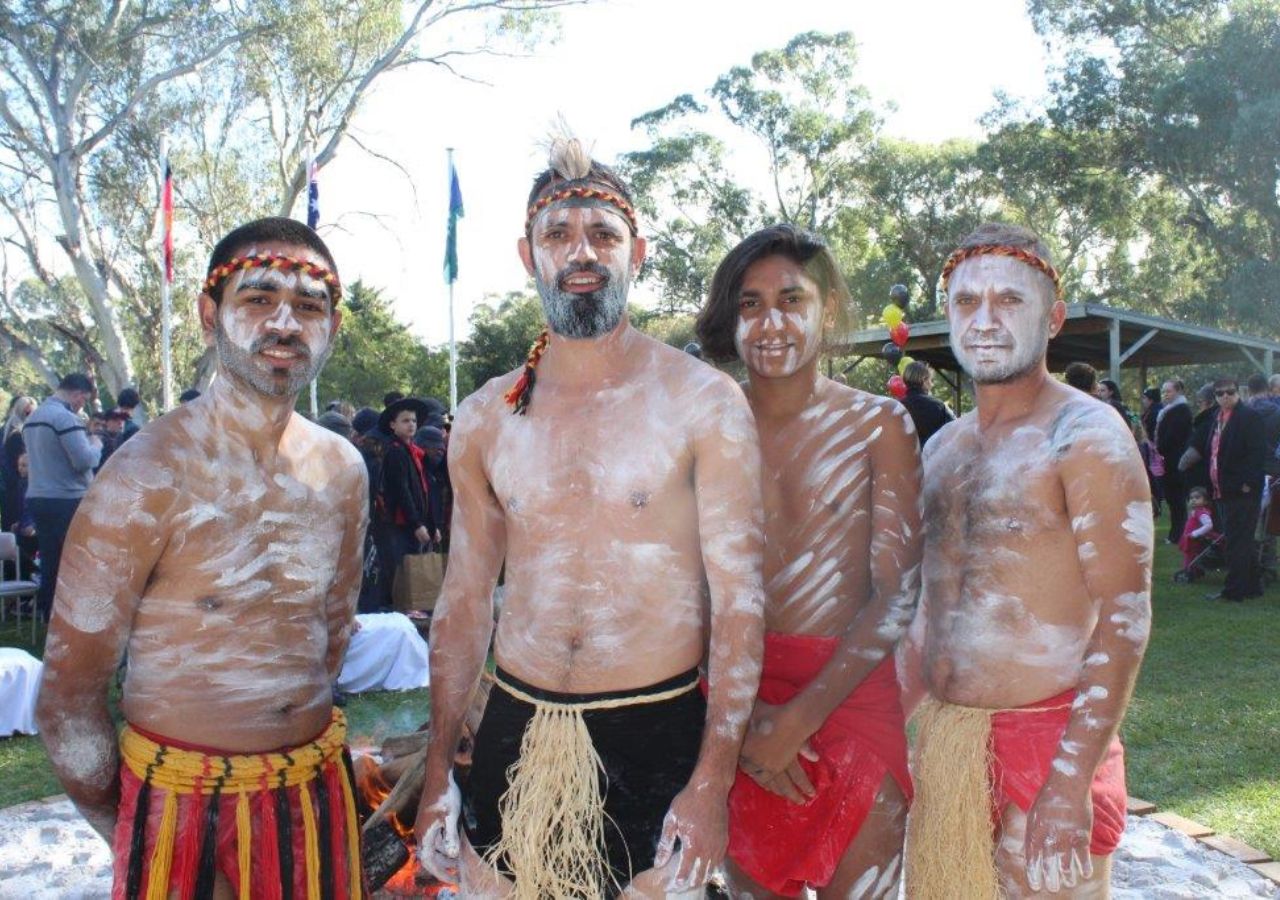
Recent decades have seen the reclamation and revitalisation of the Kaurna language, leading to an increased public profile for Kaurna people, their culture and history.
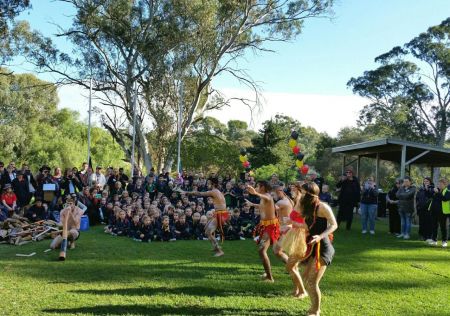
Since 1990, the Kaurna language has become much more accessible to the general public. Not only is it taught in accredited programs at all levels of the education system from early childhood to university, but it can also be heard and learnt through speeches, workshops, performances, dance, film, song, and other cultural activities.
The formation of partnerships that encompass the sharing and learning of Kaurna language is an important tool for cultural learning, cultural expression, awareness raising and contribution to the broader reconciliation process. The naming of parks, reserves, and other public spaces with Kaurna names contributes to increased acknowledgment and respect of local Aboriginal history and wider recognition of the Kaurna people as the Traditional Custodians of the Adelaide Plains.
An important action of the Gawler Reconciliation Action Plan is to promote Aboriginal culture and history in public places through planning, signage, and public art, and to implement the naming of significant venues, places, and open spaces with Kaurna names.
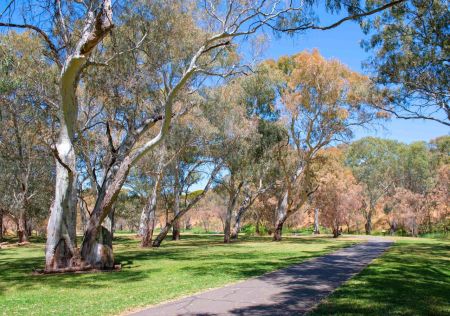
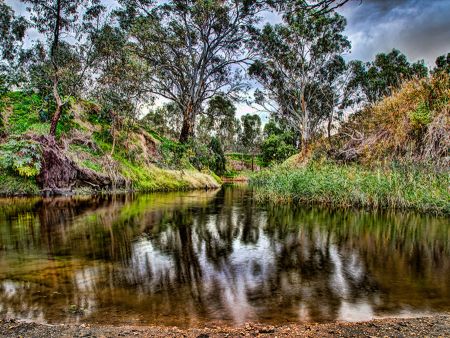
In August 2020, Kaurna Warra Pintyanthi (KWP) decided to use Kadlitiya as the Kaurna name for Gawler itself. Kadlitiya was the Kaurna name of a site somewhere in the immediate vicinity of Gawler town, likely near to or the same place as Kadlitipari, which was probably located at the campsite and waterhole near the ford on the South Para River at Yarnpana / Dead Man’s Pass. These names mean ‘dingo tooth’ and ‘dingo-tooth river’.
Highlighted below are some of the Gawler locations that have been given Karuna names in more recent times.
In late 2023, Jack Buckskin - Director of Kuma Kaaru Cultural Services, partnered with Council to assign Kaurna names to six of Gawler’s large parks and reserves, as well as the pocket park located on Whitelaw Terrace.
It is pertinent to note that the Kaurna names given to the six reserves and the pocket park are not direct translations of their English names, rather, the Kaurna names give acknowledgement and recognition of the types of activity to occur at each of these spaces both historically and today.
The Kaurna names given to each area include:
- Dead Man’s Pass is Yarnpana, meaning Purple Ochre.
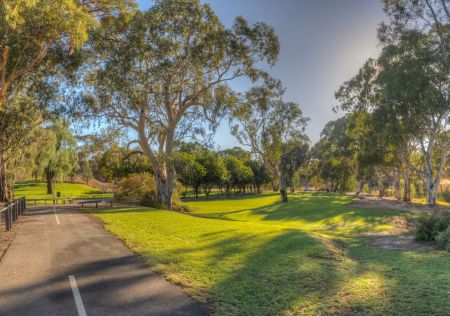
- Apex Park is Miyurna-itya, meaning For the People.
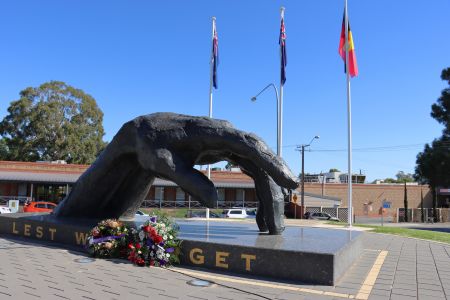
- Pioneer Park is Tulya Mukapaanthi, meaning Remembering the Soldiers.
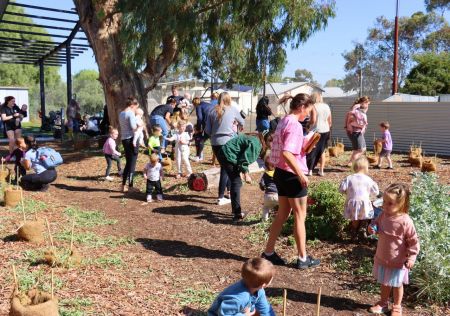
- Clonlea Reserve is Ngunya Yarta, meaning Place of Joy.
- Princes Park is Tidnaparntu, meaning Football.
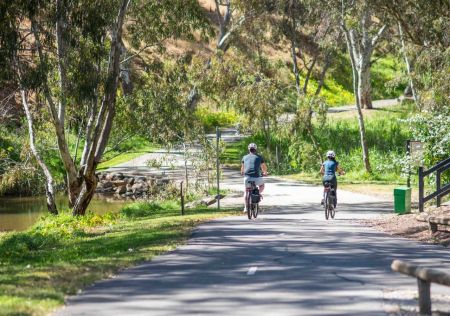
- Reid Reserve is Taparna, meaning Paths/Trails.
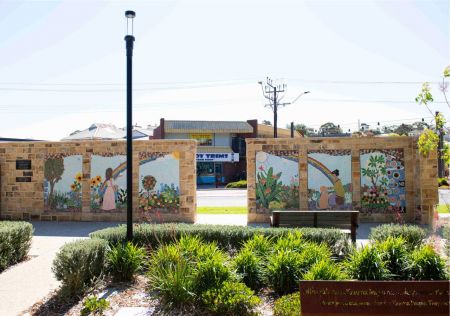
- Pocket Park is Taingiwirlta Ngangkirna Mukapaanthi, meaning Remembering Courageous Women.
Watch the video below where Jack talks about Kaurna Place Names and why First Nations languages play an important role in education and advancing reconciliation.
Watch Video - Kaurna Place Names with Jack Buckskin
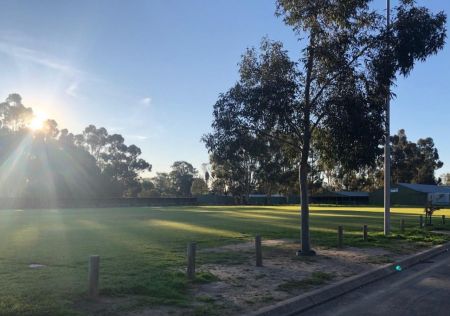
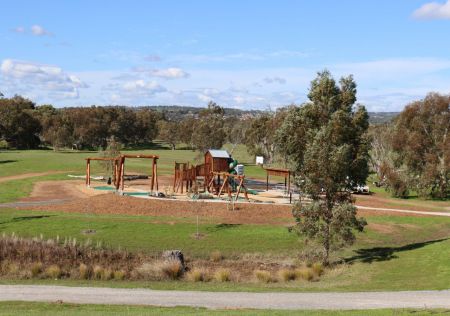
To discover more about each space and hear the pronunciation of the Kaurna names, click on an image below.